
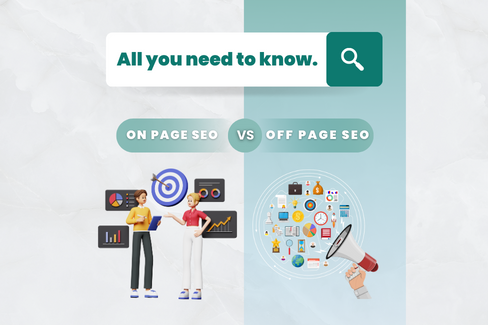
SEO. Three letters, yet a world of potential for any website.
But what does it mean?
SEO stands for Search Engine Optimization. At its core, it's the art – and science – of making a website appealing to search engines. Imagine a librarian. Just as they'd organize books to help visitors find what they need, SEO guides search engines to display the most relevant results to users.
You've used Google, Bing, or another search engine, right? Typed in a question, a name, or a vague idea, hoping for answers? SEO is the invisible hand guiding those answers to your screen.
Importance of SEO in Digital Marketing
Why does everyone talk about SEO in hushed tones, eyes shining with anticipation?
It's not just about ranking first on Google. Though, let's admit, that's a sweet spot to be in. But the heart of SEO? It's about understanding and serving your audience. Connecting with them. Engaging them.
Imagine you own a coffee shop. You make the world's best cappuccino. But, it's tucked away in an alley with no signboard. That's a website without SEO. Now, put a glowing sign, distribute flyers, and have customers rave about you online. That's a website with strong SEO.
In digital marketing, SEO is the beacon. It attracts, enlightens, and converts. It ensures your digital presence isn't just visible, but vibrant, dynamic, and valuable. In this vast digital universe, SEO is your compass. It guides prospects to your doorstep and welcomes them in.
What is On-Page SEO?
Definition and Basics
On-Page SEO pertains to all the elements within a website that can be optimized for search engines. This doesn't just mean content, but also the underlying code, the structure, and much more. It’s about ensuring each page on a website is meticulously crafted to be search-engine friendly. By optimizing these on-site elements, a website can improve its search rankings and enhance its overall visibility.
Core Components of On-Page SEO:
1. Meta Tags (Title, Description, Headers)
Meta tags serve as concise summaries of a page's content, helping search engines understand the page's purpose. The title tag defines a page's title and often appears on search engine results pages (SERPs). The meta description offers a brief summary of the page content. Headers, from H1 to H6, structure the content and prioritize information based on importance.
2. URL Structure
An optimized URL is straightforward and easily understandable, both for users and search engines. A well-structured URL provides hints about the page content and improves the chances of better search rankings.
3. Content Quality and Keyword Optimization
High-quality content resonates with the audience. It's vital to ensure that the content is relevant, engaging, and enriched with the right keywords. Keyword optimization involves using relevant terms that users might enter in search engines, ensuring they're naturally integrated into the content.
4. Internal Linking
Internal links connect different pages of the same website. This not only helps in distributing page authority and ranking power throughout the site but also enhances user navigation and the overall user experience.
5. Image Optimization
Images can enhance user engagement, but they need to be optimized for faster loading times and SEO. This involves using relevant file names, alt tags, and ensuring that the file size isn't too large.
6. Mobile-friendliness and Responsive Design
With the increasing dominance of mobile browsing, it’s crucial that websites perform well on mobile devices. A responsive design ensures a site looks and functions well on various devices and screen sizes.
7. Page Speed Optimization
Speed is a significant factor for user experience and SEO. A faster loading website retains users better and is often rewarded by search engines with better rankings.
8. Schema Markup
Schema markup is a type of microdata added to a webpage, creating a richer description that appears in search results. It helps search engines interpret the context of the content, offering users more informative results.
With these core components optimized, On-Page SEO acts as the backbone of any effective SEO strategy, laying the groundwork for off-page efforts and comprehensive digital success.
Benefits of On-Page SEO:
1. Improved User Experience
On-Page SEO isn't just about appealing to search engines but also enhancing the experience for users. By structuring content clearly, optimizing load times, and ensuring a mobile-friendly interface, visitors find what they're looking for more quickly and enjoy a seamless browsing experience. Happy visitors often translate to lower bounce rates and increased time on site.
2. Better Crawlability and Indexing by Search Engines
Search engines deploy bots to crawl and index web pages. Proper on-page optimization ensures that these bots can easily understand and categorize the content of a webpage. From clean URLs to a well-organized XML sitemap, on-page elements can significantly aid in faster and more accurate indexing. This means the website stands a better chance of appearing in relevant search results.
3. Enhanced Relevance and Targeting
With precise keyword optimization and high-quality content, on-page SEO ensures that a website attracts the right audience. It's not just about driving traffic; it's about driving relevant traffic. By catering content to match the intent of users, websites can draw in visitors who are genuinely interested in the products, services, or information they offer.
4. Competitive Advantage in SERPs
Search Engine Results Pages (SERPs) are competitive. However, with effective on-page SEO, websites can secure better positions, making them more visible to potential visitors. Meta tags that are enticing can improve click-through rates. Moreover, features like schema markup can provide enriched results, setting a website apart from competitors and capturing users' attention.
When a website harnesses the power of on-page SEO, it doesn't just speak the language of search engines but also resonates with its audience. The combination of technical finesse and user-centric optimization paves the way for digital success.
Definition and Basics
Off-Page SEO encompasses all activities conducted outside of a website to improve its visibility and ranking on search engine results pages (SERPs). While on-page SEO focuses on optimizing elements within a website, off-page SEO is concerned with enhancing its authority, trustworthiness, and relevance through external means. It's the behind-the-scenes effort, amplifying a site's reputation and reach in the digital ecosystem.
Core Components of Off-Page SEO:
1. Backlinks and Link Building
Backlinks are external links from other websites that point to yours. They're akin to votes of confidence in the digital realm. A site with high-quality and relevant backlinks is often perceived as more reputable and authoritative. Link building is the strategic process of acquiring these backlinks, whether through outreach, creating shareable content, or other methods.
2. Social Media Signals
Social media isn't just for sharing memes and vacation photos. The engagement a website receives on platforms like Facebook, Twitter, and LinkedIn can influence its SEO. Shares, likes, and comments can act as endorsements, signaling to search engines that the content is valuable and appreciated by the audience.
3. Brand Mentions
Even without a direct link, the mere mention of a brand or website on other sites can benefit SEO. Such unlinked mentions can be seen as a sign of a brand's growing authority and recognition in its niche.
4. Guest Blogging
Writing articles or blog posts for other websites can serve dual purposes: It positions the author (and by extension, their brand) as an expert in the field, and it can provide valuable backlinks. Guest blogging on reputable sites can expand a brand's reach and drive targeted traffic back to its website.
5. Influencer Outreach
Collaborating with influencers, especially those relevant to a brand's industry, can amplify its message. Whether it's through reviews, mentions, or content partnerships, influencer outreach can drive high-quality traffic and build trust among a wider audience.
6. Directory Listings
Being listed in reputable directories can boost a website's credibility. Directories categorize and list websites, providing another avenue for potential visitors to find a business or service. While not all directories are created equal, strategic listings in respected directories can benefit off-page SEO.
Off-Page SEO complements on-page efforts, solidifying a website's standing in the broader online landscape. It's the network of connections, endorsements, and relationships that a site builds, further asserting its place in the vast digital realm
Benefits of Off-Page SEO:
1. Enhanced Domain Authority
Domain Authority (DA) is a metric that gauges a website's potential ranking power. It's influenced by the number and quality of backlinks a site has. Effective off-page SEO strategies, particularly those focused on acquiring high-quality backlinks, can significantly elevate a website's DA. A higher DA often means better rankings on SERPs, amplifying a site's presence and influence in its niche.
2. Wider Reach and Online Visibility
Off-page SEO acts as a beacon, shining a light on a website across multiple platforms and channels. Whether it's through guest posts on industry-leading blogs, mentions by influencers, or shares on social media, off-page efforts cast a broader net, capturing a more diverse and expansive audience. This expanded visibility ensures that a website's content, products, or services get in front of the right eyes, at the right time.
3. Trustworthiness and Credibility Boost
Trust is a cornerstone of online interactions. Users are more inclined to engage with websites they deem trustworthy. Off-page SEO, through quality backlinks, reputable directory listings, and positive brand mentions, builds a halo of trust around a website. When other respected entities in the digital space vouch for a site, it lends an air of credibility, making visitors more likely to engage, trust, and convert.
4. Competitive Edge in Broader Online Spaces
The digital realm is fiercely competitive. While on-page SEO ensures a site is in top shape, off-page SEO gives it the firepower to stand out in external platforms. It provides the competitive edge a website needs to overshadow competitors in social media spaces, third-party publications, and more. By solidifying its presence beyond its own domain, a website can seize more opportunities, capture more leads, and further its brand mission in the vast online ecosystem.
Leveraging the power of off-page SEO is like building bridges to a website from all corners of the internet. These bridges carry reputation, trust, and traffic, solidifying a site's place in the ever-evolving digital landscape.
Differences Between On-Page and Off-Page SEO:
Primary Objectives
On-Page SEO: This focuses on optimizing elements within a website to enhance its visibility and relevance in search engines. The primary objective is to craft a site that’s both user-friendly and search-engine compatible, ensuring content is easily accessible, understandable, and relevant to visitors.
Off-Page SEO: Off-Page efforts aim to bolster a website's authority and trustworthiness in the broader digital ecosystem. The main goal here is to solidify a site's reputation through external endorsements, be it backlinks, brand mentions, or social signals.
Techniques and Tactics
On-Page SEO: This involves keyword optimization, meta tag crafting (title, description, headers), improving site structure, optimizing internal links, enhancing page speed, and ensuring mobile-friendliness.
Off-Page SEO: Tactics include link building (acquiring backlinks from external sources), influencer outreach, guest blogging, securing directory listings, and leveraging social media for brand visibility and engagement.
Metrics to Measure Success
On-Page SEO: Success metrics often include on-site engagement rates such as bounce rate, page views, average session duration, and conversion rates. Also, site health metrics like page speed, mobile responsiveness, and crawl errors are vital.
Off-Page SEO: Here, metrics like the number and quality of backlinks, brand mentions across the web, social shares and engagement rates, and referral traffic can indicate success.
Control and Flexibility
On-Page SEO: Website owners have direct control over on-page elements. They can quickly modify content, adjust meta tags, or improve site structure based on feedback and data.
Off-Page SEO: This often requires collaboration with external entities, whether it's negotiating backlinks or securing guest post spots. As a result, there's a bit less direct control, making flexibility and adaptability crucial.
Timeframe and Results
On-Page SEO: Changes made on-site can often yield quicker results, especially when it comes to improving user experience. However, the impact on SERP rankings might take a bit longer to manifest.
Off-Page SEO: Building a website's authority and trustworthiness is a longer-term game. While some tactics like social media engagement might offer quicker visibility boosts, strategies like link building often require persistence and patience to show significant results.
Understanding the distinctions between on-page and off-page SEO ensures a more holistic approach to optimization, with each playing a crucial role in a website's journey to the top of the SERPs.
The Synergy Between On-Page and Off-Page SEO:
Balancing the Two for Holistic SEO
A building with a lavish exterior but a lackluster interior won't attract many residents. Similarly, a website optimized solely off-site without on-site finesse misses out on its full potential. On-Page and Off-Page SEO are like the two sides of a coin, each contributing uniquely to a website's success.
On-Page SEO ensures the website itself is of high quality, offering valuable content in a user-friendly format. It's about making sure that when visitors arrive, they have a pleasant, informative experience.
Off-Page SEO, on the other hand, amplifies a website's presence in the digital ecosystem. It builds its reputation and ensures the world knows about it.
To truly dominate in search results and offer value to visitors, a harmonious blend of both is crucial. Like a balanced diet, integrating on-page and off-page strategies provides the necessary nutrients for a website's growth and sustenance in the digital realm.
Real-life Examples of Successful Integration:
E-commerce Giants:
Platforms like Amazon and eBay have mastered the SEO game. On-site, they offer user-friendly navigation, high-quality images, and detailed product descriptions (On-Page). Off-site, their products are often shared on social media, and many external websites link to them, vouching for their credibility (Off-Page).
Blogging Platforms:
Take Medium, for instance. Articles on Medium are well-structured with clear headings and relevant content (On-Page). Simultaneously, popular articles are widely shared across social media platforms and often linked by other bloggers, driving significant off-site traffic (Off-Page).
Local Businesses:
Consider a local artisanal coffee shop that's garnered attention. Their website has an engaging design, a clear menu, and a blog offering coffee brewing tips (On-Page). Meanwhile, local food bloggers rave about their brews, and their social media pages teem with positive reviews and shares (Off-Page).
Each of these entities has realized the magic of merging on-page precision with off-page prowess, setting them apart in their respective domains.
Tapping into the synergy between on-page and off-page efforts means not just attracting traffic, but ensuring that traffic finds value, builds trust, and ultimately, converts.
Common Mistakes and Misconceptions:
1. Overlooking Mobile SEO
In today's digital age, mobile devices reign supreme. Despite this, some websites still haven't fully embraced mobile optimization, leading to poor user experiences on smaller screens. The misconception here is that desktop SEO is enough. However, with Google's mobile-first indexing and the ever-increasing mobile user base, not prioritizing mobile SEO can lead to reduced rankings and missed opportunities to connect with a vast segment of users.
2. Focusing Solely on Quantity of Backlinks
There's a misconception that having a large number of backlinks guarantees higher search rankings. While having numerous backlinks can be beneficial, the quality of these links is paramount. Earning links from low-quality or unrelated sites can do more harm than good, potentially leading to penalties from search engines. The key is to focus on obtaining high-quality, relevant backlinks that add genuine value and authority to a website.
3. Neglecting Content Relevance and Quality
Some site owners, in their bid to churn out content rapidly, may compromise on its relevance and quality. The mistake here is believing that any content, regardless of its value, will drive traffic and engagement. In reality, search engines prioritize content that offers genuine value to users, is well-researched, and resonates with the intended audience. Subpar content can harm a site's credibility, reduce user engagement, and negatively impact SEO efforts.
4. Underestimating Social Media's Impact
While social media signals may not directly influence search rankings, their impact on SEO is undeniable. The misconception is viewing SEO and social media as separate entities. In truth, engaging content that garners shares, likes, and comments can drive substantial organic traffic to a website. Plus, positive social engagement can bolster a brand's online reputation, indirectly supporting SEO endeavors.
Avoiding these common pitfalls and embracing a more holistic, informed approach to SEO can make the difference between merely being present online and truly shining in the digital spotlight.
Conclusion and Final Thoughts
The intricate dance between on-page and off-page SEO is what defines a successful digital presence. Like the yin and yang, these two aspects of SEO, while different, complement each other perfectly. Relying solely on one while neglecting the other can create imbalance and hinder a website's potential. It's crucial to recognize that a truly effective SEO strategy integrates both, ensuring that the website is not only well-crafted and user-friendly but also has a robust presence and reputation in the broader digital ecosystem.
SEO is not static. As search engines evolve, so do the techniques and tactics needed to stay at the forefront. The digital landscape is constantly shifting, with new updates, algorithms, and user behaviors emerging. This necessitates a proactive approach to SEO, where continuous learning and adaptability become paramount. Embracing change, keeping an ear to the ground, and anticipating future trends will ensure that a website remains relevant, visible, and in sync with the ever-changing demands of the digital world.
In wrapping up, SEO is a journey, not a destination. It's an ongoing commitment to excellence, a pledge to understand and serve the audience, and a pursuit to shine brightly in the vast universe of the internet. With dedication, adaptability, and a holistic approach, the rewards of SEO—increased visibility, traffic, and conversions—are well within reach.
Your path to SEO success is just a click away. Discover how Pine Technologies can elevate your digital presence. Hire SEO Experts | Contact Us